---
title: "SafeKit Architectures"
canonical: "https://safekit.eviden.com/architectures/"
description: "Explore high availability architectures with SafeKit. Learn about Mirror, Farm, and Farm+Mirror clusters for SANless application failover and load balancing."
category: "architectures"
lang: "en"
topics: "What are the different high availability architectures and the different software clusters with SafeKit?, How to build high availability clusters with SafeKit?"
---
# SafeKit Architectures {#safekit-architectures}
## What are the different high availability architectures and the different software clusters with SafeKit? {#what-are-the-different-high-availability-architectures-and-the-different-software-clusters-with-safekit}
### Mirror cluster {#mirror-cluster}
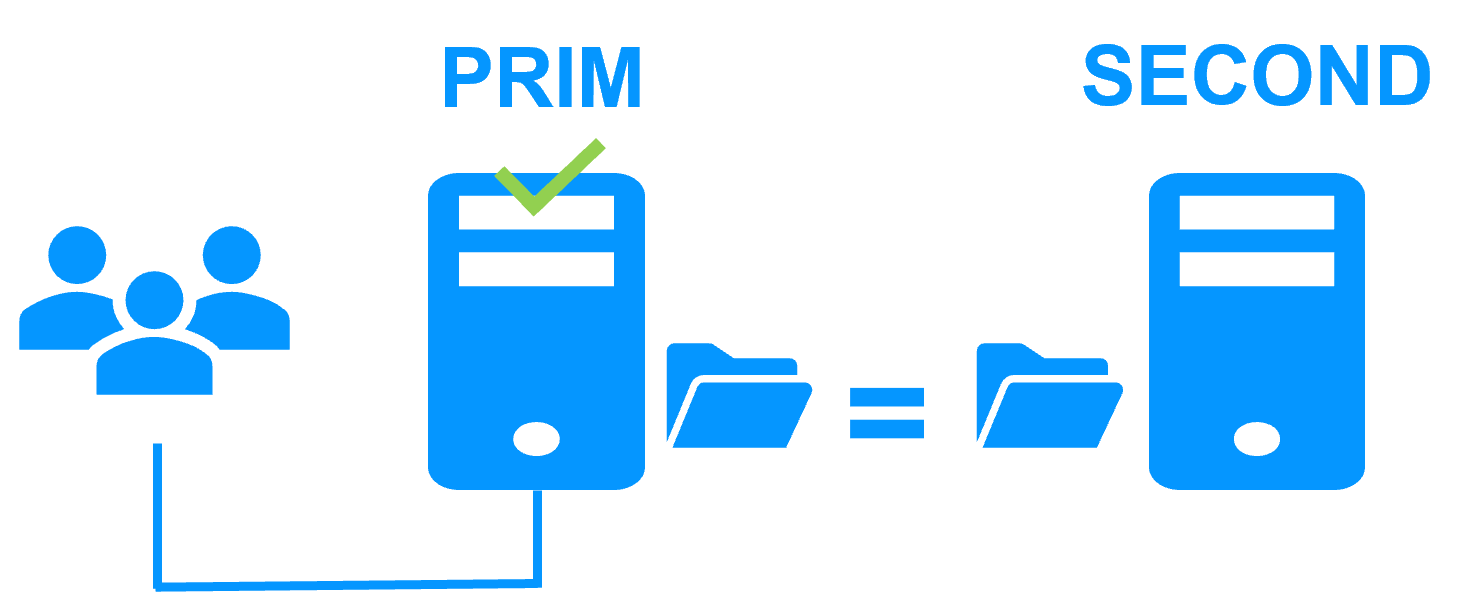
[More information]()
### Farm cluster {#farm-cluster}
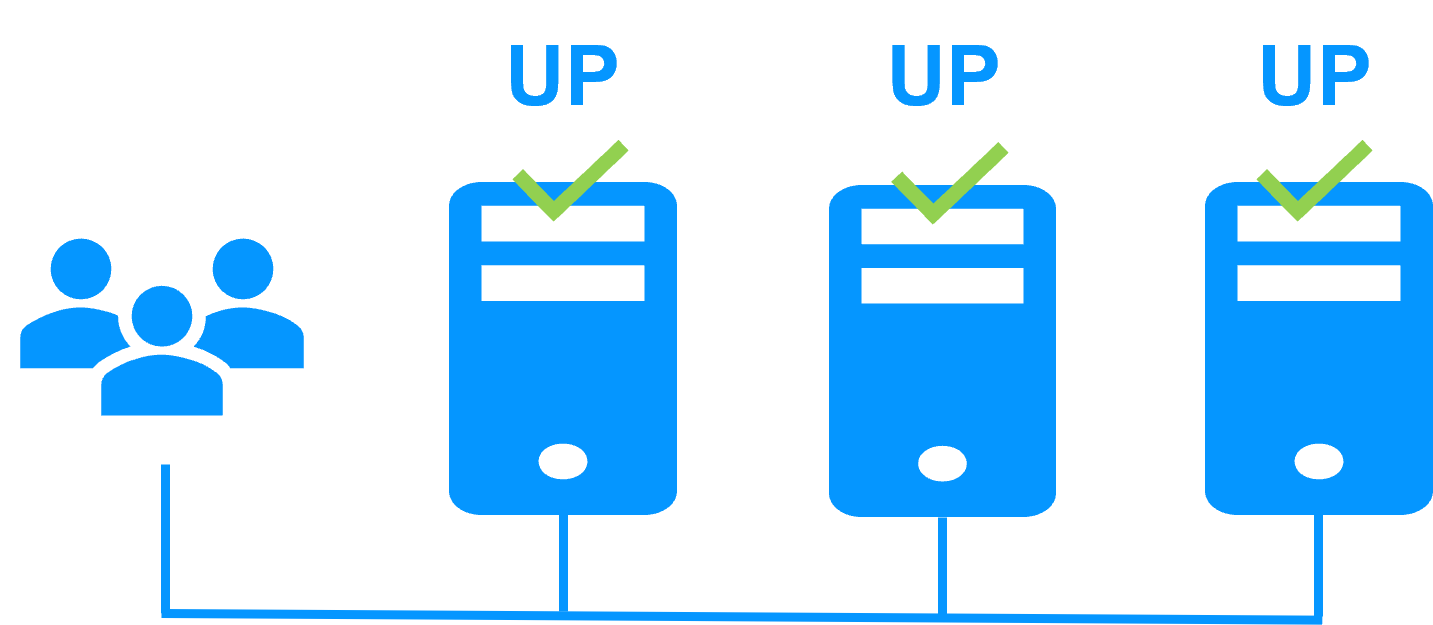
[More information]()
### Farm+mirror cluster {#farmmirror-cluster}
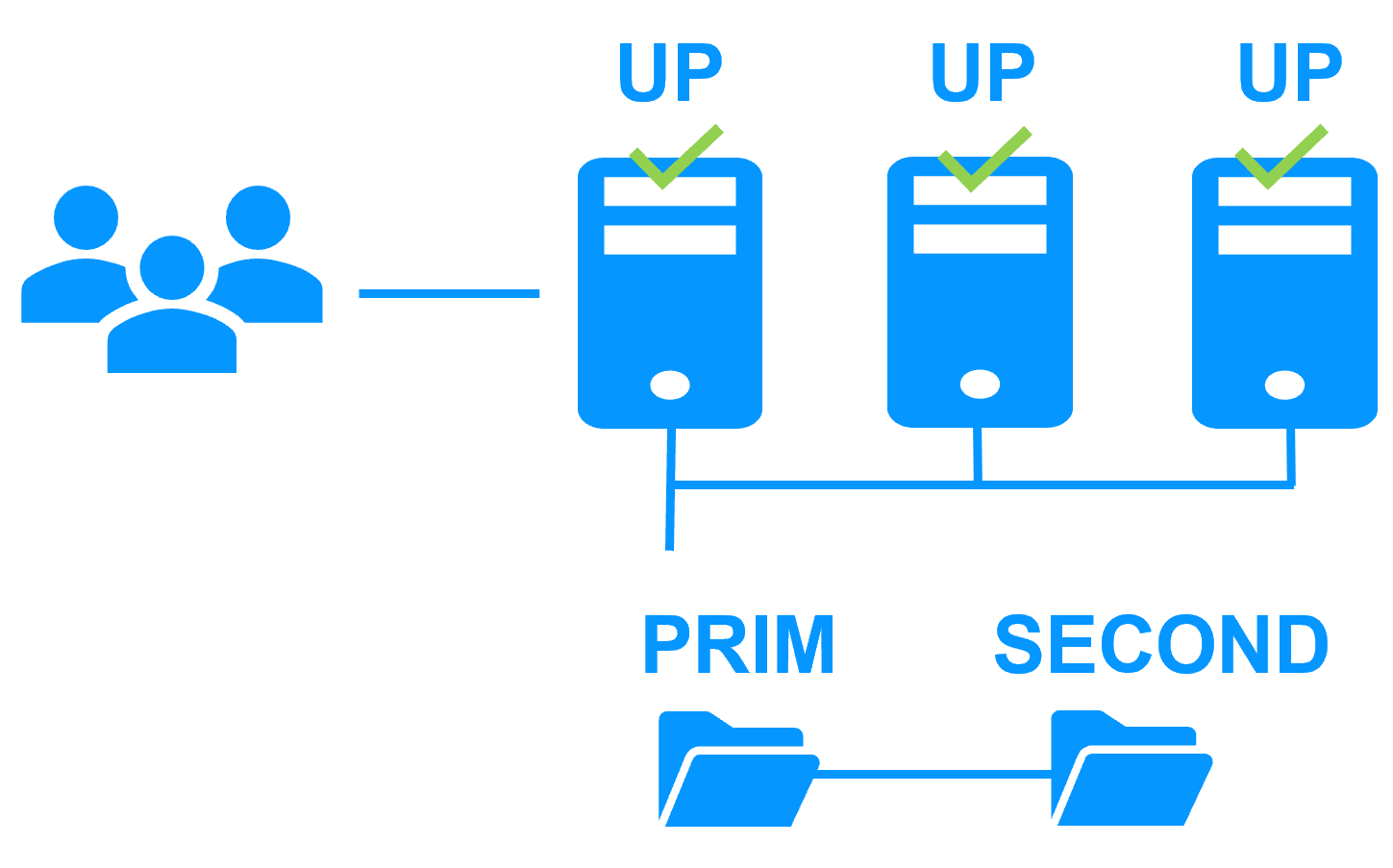
[More information]()
### Active/active cluster {#activeactive-cluster}
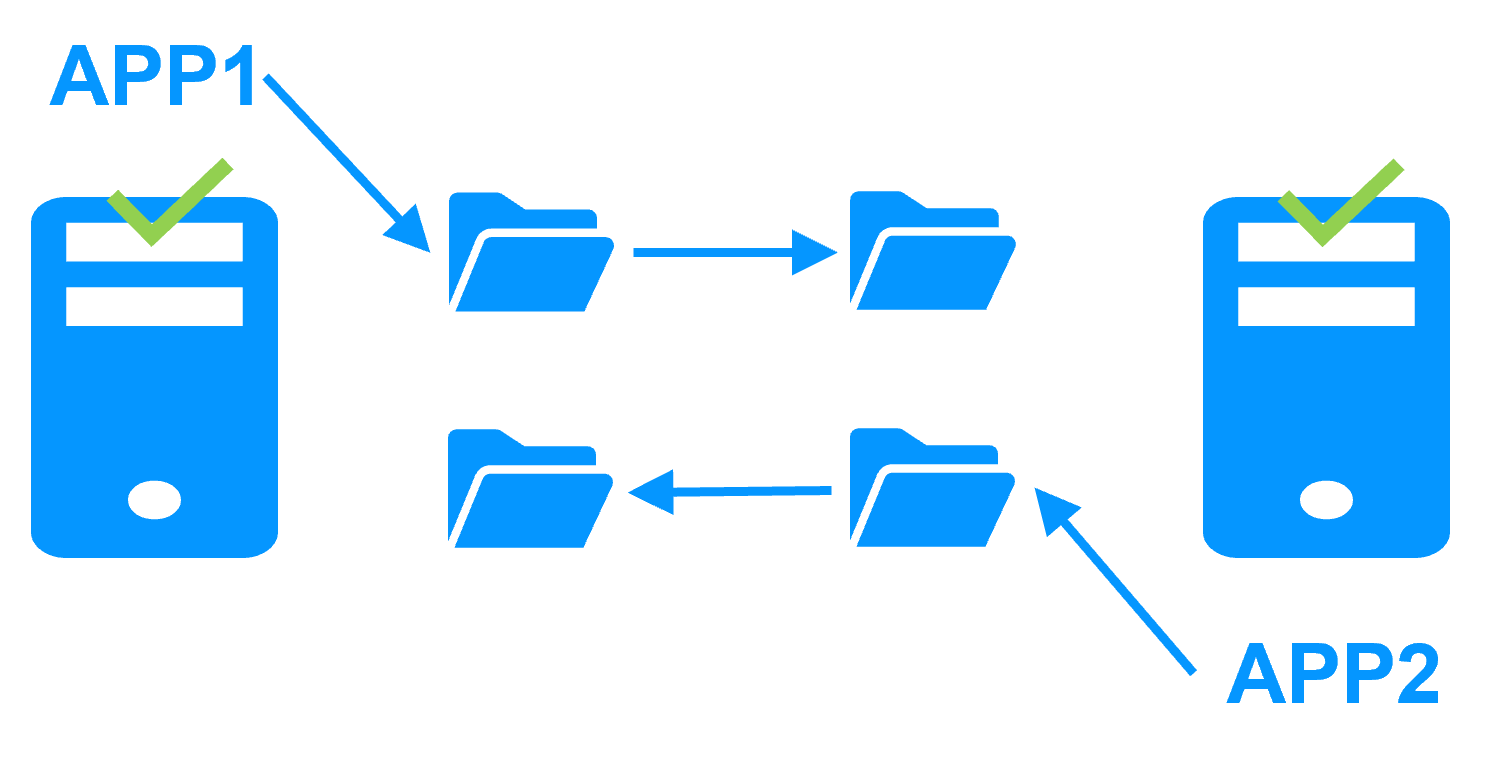
[More information]()
### N-1 cluster {#n-1-cluster}

[More information]()
## How to build high availability clusters with SafeKit? {#how-to-build-high-availability-clusters-with-safekit}
### Use application modules {#use-high-availability-modules}
An application module is a customization of SafeKit for an application. There are two types of modules: the mirror module with real-time data replication and failover and the farm module with load balancing and failover.
If you deploy a mirror module on 2 servers, then you create a mirror cluster and if you deploy a farm module on N servers, then you create a farm cluster.
Several application modules can be deployed on the same servers. Thus, advanced clustering architectures can be implemented like those presented previously (farm+mirror, active/active, N-1).
### What is an application module? {#what-is-an-application-module}
In practice, an application module is a “.Safe” file (zip type) including:
1 - the configuration file userconfig.xml which contains:
* virtual IP address of the cluster,
* file directories to replicate in real time (for a mirror module),
* network load balancing criteria (for a farm module),
* configuration of software and hardware failures detectors
2 - the scripts to start and stop the application.
### Plug and play deployment of application modules {#plug-and-play-deployment-of-high-availability-modules}
Once an application module is configured and tested with an application, deployment requires no specific IT skills:
1. install the application on 2 standard servers (physical or virtual),
2. install the SafeKit software on both servers,
3. install the application module on both servers.