What is the difference between high availability and fault tolerance?
Overview
This article explores the pros and cons of a high availability cluster versus a fault tolerant system by looking at hardware constraints, software failures, RTO, RPO...
The following comparative tables explain in detail the difference between a fault tolerant system and SafeKit, a software high availability cluster.
What is high availability?
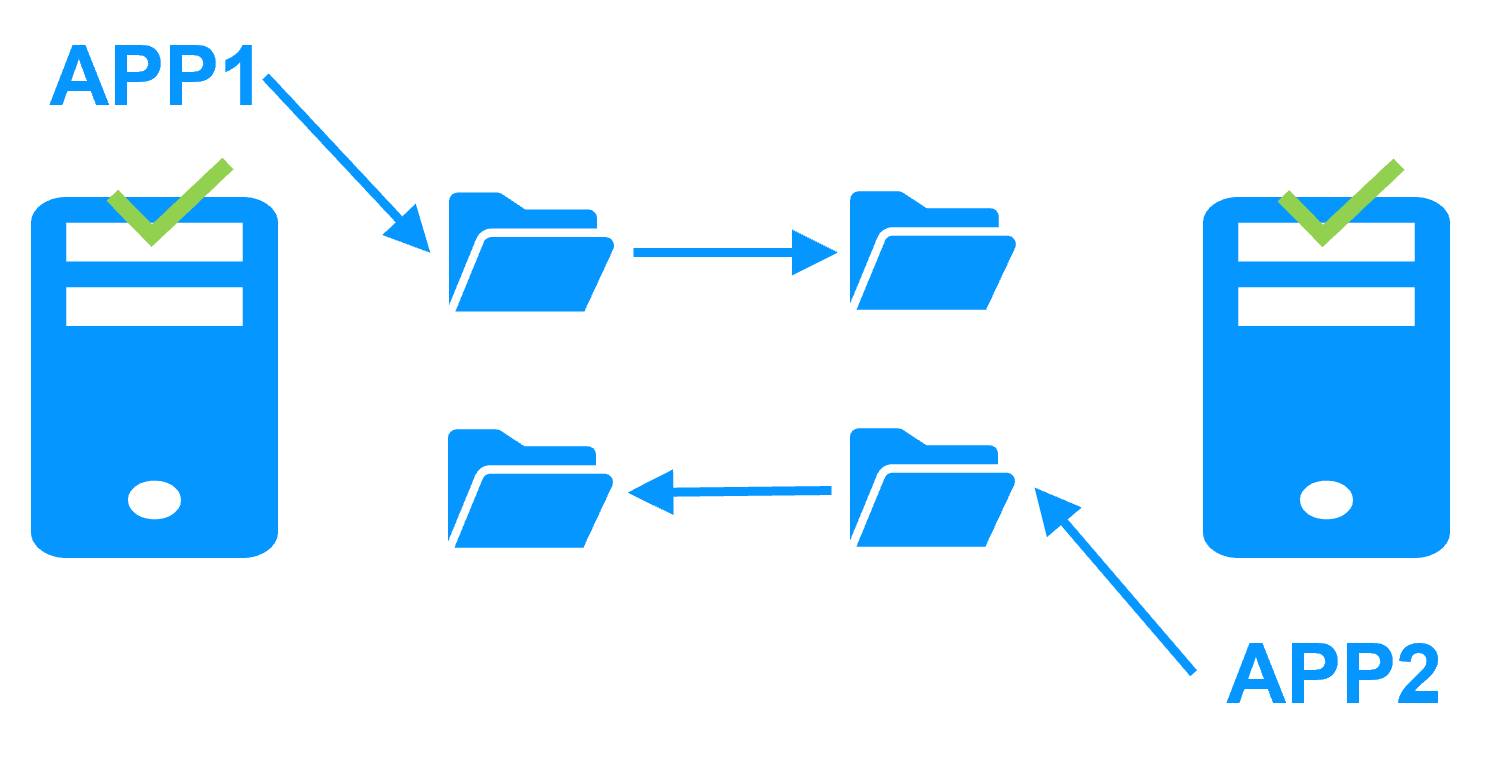
A high availability cluster is based on two servers with restart of the critical application in the event of hardware or software failures. There are 2 types of clusters: hardware clusters and software clusters.
Hardware clusters are based on shared disks resulting in dependencies between servers and their connections to shared disk arrays.
Software clusters like SafeKit are based on real-time data replication and are hardware-agnostic: they can be deployed on physical or virtual servers or in the cloud.
What is fault tolerance?
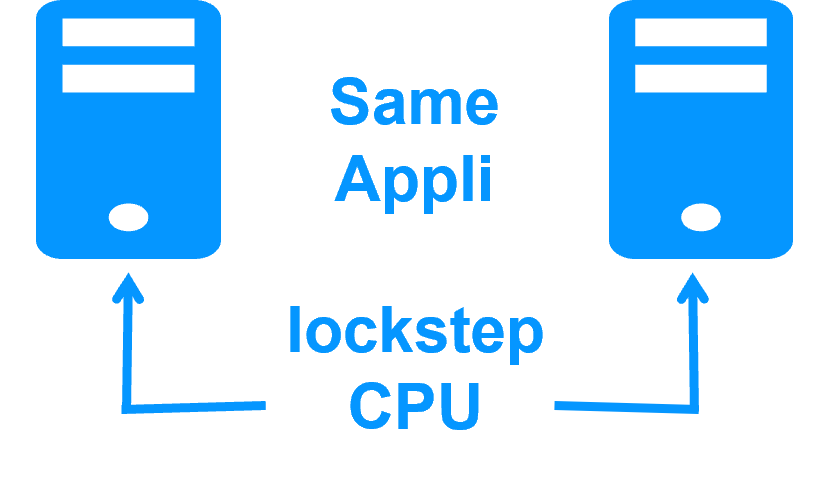
A fault tolerant system relies on either specialized hardware or specialized hypervisor to detect a hardware failure and instantly switch to a redundant hardware component without application restart.
Fault-tolerant systems only deal with hardware failures and not software failures, by far the most common reason for system downtime.
Pros and cons of high availability and fault tolerance
We use cookies on our website to give you the most relevant experience by remembering your preferences and repeat visits. By clicking “Accept”, you consent to the use of ALL the cookies. However you may visit Cookie Settings to provide a controlled consent.
This website uses cookies to improve your experience while you navigate through the website. Out of these cookies, the cookies that are categorized as necessary are stored on your browser as they are essential for the working of basic functionalities of the website. We also use third-party cookies that help us analyze and understand how you use this website. These cookies will be stored in your browser only with your consent. You also have the option to opt-out of these cookies. But opting out of some of these cookies may have an effect on your browsing experience.
Necessary cookies are absolutely essential for the website to function properly. These cookies ensure basic functionalities and security features of the website, anonymously.
Advertisement cookies are used to provide visitors with relevant ads and marketing campaigns. These cookies track visitors across websites and collect information to provide customized ads.
Analytical cookies are used to understand how visitors interact with the website. These cookies help provide information on metrics the number of visitors, bounce rate, traffic source, etc.
Functional cookies help to perform certain functionalities like sharing the content of the website on social media platforms, collect feedbacks, and other third-party features.